 Phone Stands
  Sun Protection
  Car Cleaning
  Car Chargers
  Powerbank


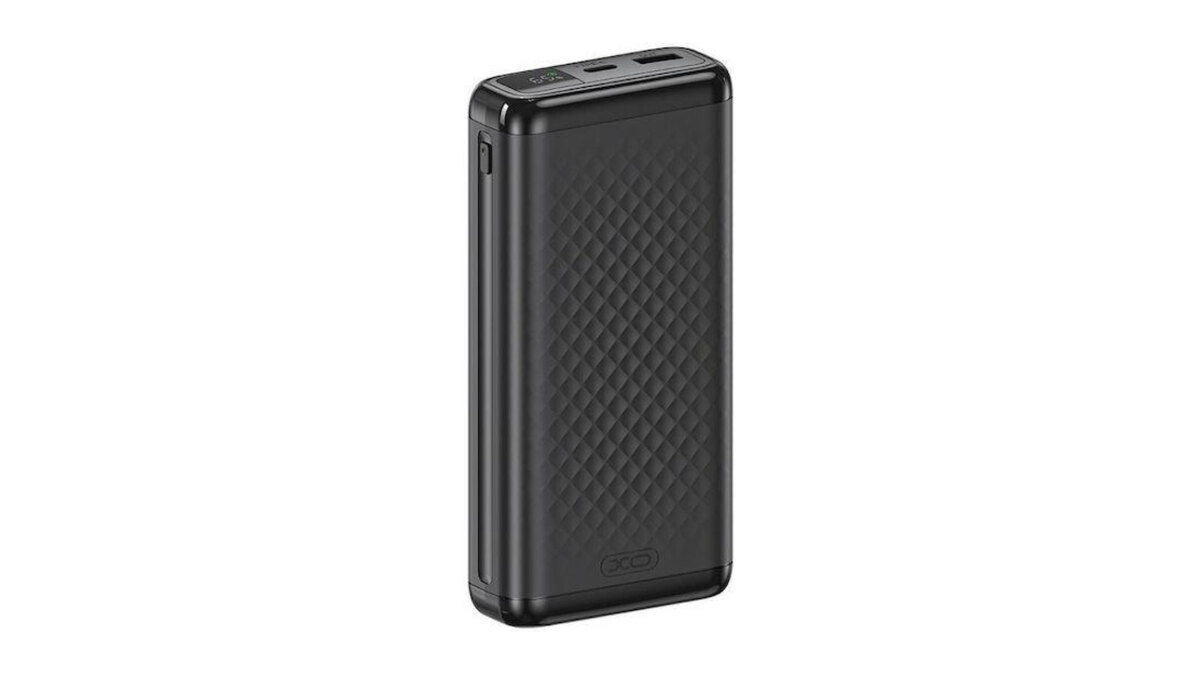
The best powerbank habit is not charging from zero; it is making sure useful energy is available before your day becomes urgent. Proper everyday use means choosing the right moment to top up, matching the cable and device, controlling heat, and storing the battery sensibly. The XO PB309, priced at €25.80, combines a rated 20,000mAh capacity with up to 22.5W fast charging, making it a practical example for building that routine without making unrealistic promises about exact phone charge counts.
Start with the right first-use routine
When a new powerbank arrives, resist the urge to judge it from one rushed charging session. Inspect the casing and cable connections for visible damage, read the product label and instructions, and charge it in a cool, dry, open place on a stable surface. Use a sound wall charger and cable whose ratings suit the powerbank. A first full charge can be useful because it gives you a clear starting point and helps you become familiar with the level indicator, but lithium batteries do not need repeated deep discharge-and-recharge “training.”
Before leaving home, connect the device you actually plan to carry and confirm that charging starts normally. Then disconnect and pack the powerbank so that keys, coins or other metal objects cannot press against or damage its connectors. This simple rehearsal catches a poor cable or loose connection before it becomes a problem on a train, at work or during a long day outdoors.
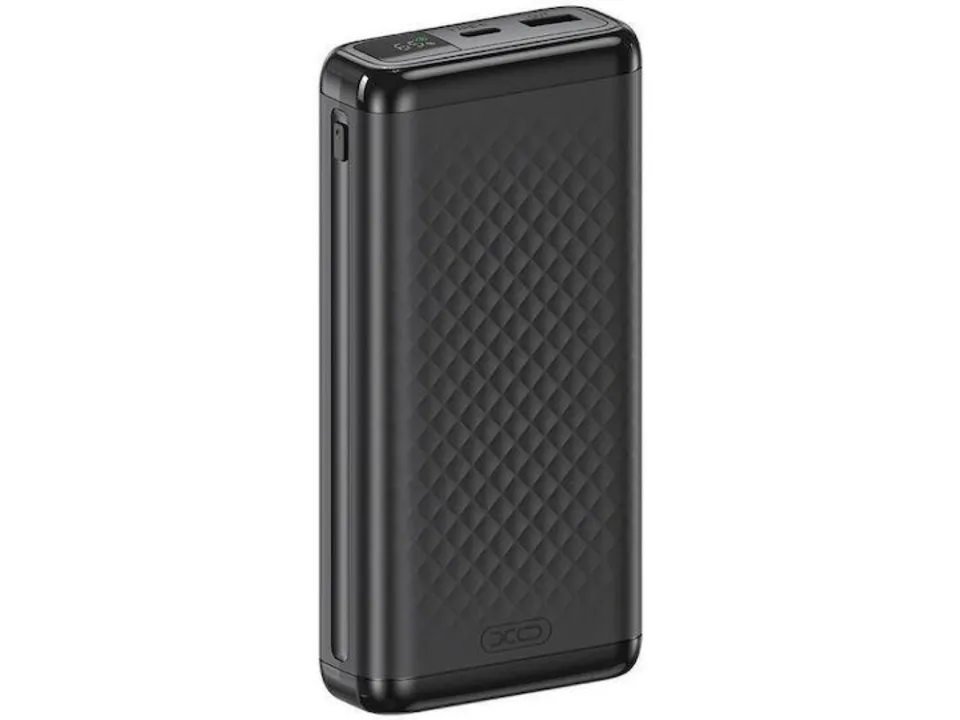
For the XO PB309, the confirmed buying facts are straightforward: 20,000mAh rated capacity, up to 22.5W fast charging and a €25.80 price. Those numbers help compare products, but they do not remove the need to check the phone, cable and charging source as one complete system.
Understand rated versus usable capacity
A common misunderstanding is to divide 20,000mAh by a phone battery’s stated mAh figure and treat the result as a guaranteed number of complete charges. That arithmetic ignores how portable batteries work. The capacity printed on a powerbank normally describes its internal cells at their nominal cell voltage. A phone receives energy at a converted output voltage, and conversion, cable resistance, electronics, temperature and the phone’s own charging process all consume some energy.
That is why usable output is lower than the rated cell capacity. The difference is normal physics, not automatically evidence of a faulty product. It is also why this guide does not promise that the XO PB309 will recharge a particular phone a fixed number of times. Real results change with the phone model, battery size and health, screen use, mobile signal, background activity, cable condition, temperature and whether the phone is being used while it charges.
Think in terms of coverage rather than a precise charge count. A 20,000mAh class powerbank is intended for substantial backup, but your useful question is: “Can this support my maps, messages, calls and camera until I reach a socket?” Test that in your own routine. Note the powerbank level before and after a typical top-up, then use that observation to decide when to recharge the pack. This is more reliable than a universal estimate.
Match the cable, powerbank and device
The advertised 22.5W is a maximum charging capability, not a speed every device will always receive. Charging power is negotiated or limited by the weakest relevant part of the chain: powerbank, cable and phone or other device. The connected device controls what it can safely accept, and charging normally slows as its battery approaches full. A phone that does not support the available fast-charge mode may charge at a lower rate even when the powerbank has more power available.
Choose a cable that is intended for charging the connected device and rated for the power you expect it to carry. Keep it reasonably short when convenience allows, inspect both ends for bent parts, looseness, discoloration or fraying, and replace damaged cables instead of compensating by twisting the plug. A cable can still transfer some power while introducing resistance, unstable charging or excess warmth. Avoid assuming that a connector shape alone guarantees a charging protocol or speed.
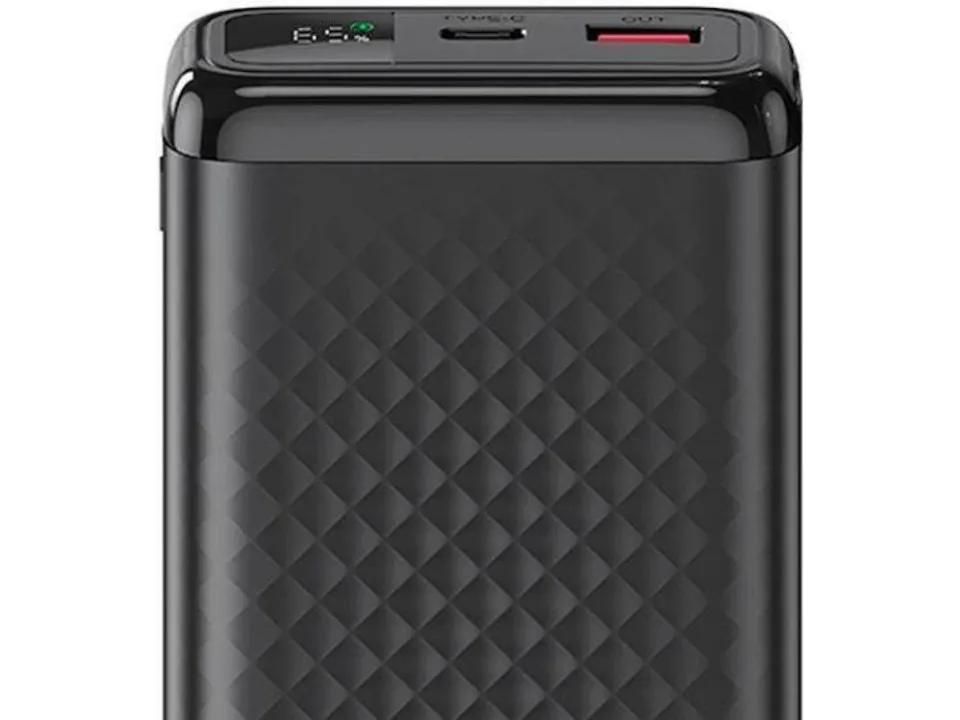
The same matching principle applies when recharging the powerbank. A high-wattage wall charger does not force its full rating into a device; compatible electronics limit the draw. Conversely, an underpowered charger or cable may make recharging slower. Follow the XO PB309 label and manual for connection-specific instructions rather than inferring port roles or supported protocols from appearance. This guide intentionally does not claim unverified ports, protocols or accessories.
Build a reliable daily charging routine
A useful powerbank routine begins before the battery warning turns red. Check the pack while preparing your keys and wallet. If its indicated level is low and your day includes navigation, photography, video calls or unreliable access to sockets, top it up before leaving. Keep one known-good cable with it, but avoid sharply folding the cable or leaving its connector under pressure in a crowded bag.
During the day, charge at a convenient pause rather than waiting for an emergency. For example, if your phone is at 45% during lunch and you expect two hours of navigation later, a controlled top-up at the table is more useful than trying to recover from 3% while walking. Put both devices where air can circulate, turn the screen off if you do not need it, and disconnect when you have enough energy for the next stage of the day.
In the car, secure the phone before moving and do not handle charging equipment while driving. If navigation is part of your routine, the premium car phone mount guide and the budget car phone mount guide can help you choose a stable viewing setup. A mount and a powerbank solve different problems: one supports visibility, while the other supplies energy. Neither replaces attentive driving or safe cable placement away from controls.
At home, unplug the powerbank after charging is complete instead of leaving the setup buried under clothing or bedding. Return it to a consistent, cool place near the items you take out. A small routine—check, top up, pack, use, inspect, store—does more for dependable charging than repeatedly draining every battery to zero.
Manage heat and store it safely
Some warmth can occur during charging, especially at higher power, but heat deserves attention because batteries age faster and can become unsafe under severe thermal stress. Charge on a hard, stable, non-flammable surface with ventilation. Do not cover the powerbank, sandwich it between cushions, place it in direct sun or leave it in a hot parked car. Avoid charging immediately after the pack has become very hot or very cold; allow it to return gradually toward normal room conditions first.
Stop using and disconnect a powerbank if you notice swelling, cracking, leaking, a burnt smell, smoke, unusual noises or heat that appears excessive or continues to increase. Move away from immediate hazards if it is safe to do so, and follow local authority or battery-recycling guidance for handling and disposal. Do not puncture, crush, open or attempt a home repair on a lithium battery pack.
For storage, choose a dry indoor location away from heaters, windows with strong sun, moisture, children and pets. Do not leave the battery empty for many months, and do not assume that keeping it permanently connected is beneficial. For longer periods without use, consult the manufacturer’s instructions, check it periodically and give it a partial recharge if the indicated level has fallen significantly. Protect the body from impact and keep the connection area clean and dry; use no metal tool to scrape it.
Travel with a powerbank responsibly
Air travel is a special case because powerbanks are treated as spare lithium batteries. They are generally expected in passenger carry-on baggage rather than checked baggage, with terminals protected against short circuit, but limits and approval rules can depend on the battery’s watt-hour rating and the airline. Do not rely only on the 20,000mAh marketing figure to make an aviation decision; check the product’s Wh marking or documentation and verify the current policy for every carrier on your itinerary.
Before packing, read the official IATA passenger baggage information for lithium batteries, then check your airline’s own current rules. Regulations and carrier procedures can change, connecting flights can involve different operators, and airline staff make the operational decision. If the rating is unreadable, the casing is damaged or the airline’s policy is unclear, resolve that before reaching security. Never place a swollen or damaged powerbank in luggage.
On trains, coaches and ferries, apply the same practical safety principles even when aviation rules do not apply: prevent crushing, keep connectors away from loose metal, avoid unattended charging and follow the operator’s instructions. Travel preparation should reduce uncertainty, not create a last-minute debate at the gate.
Protect battery lifespan
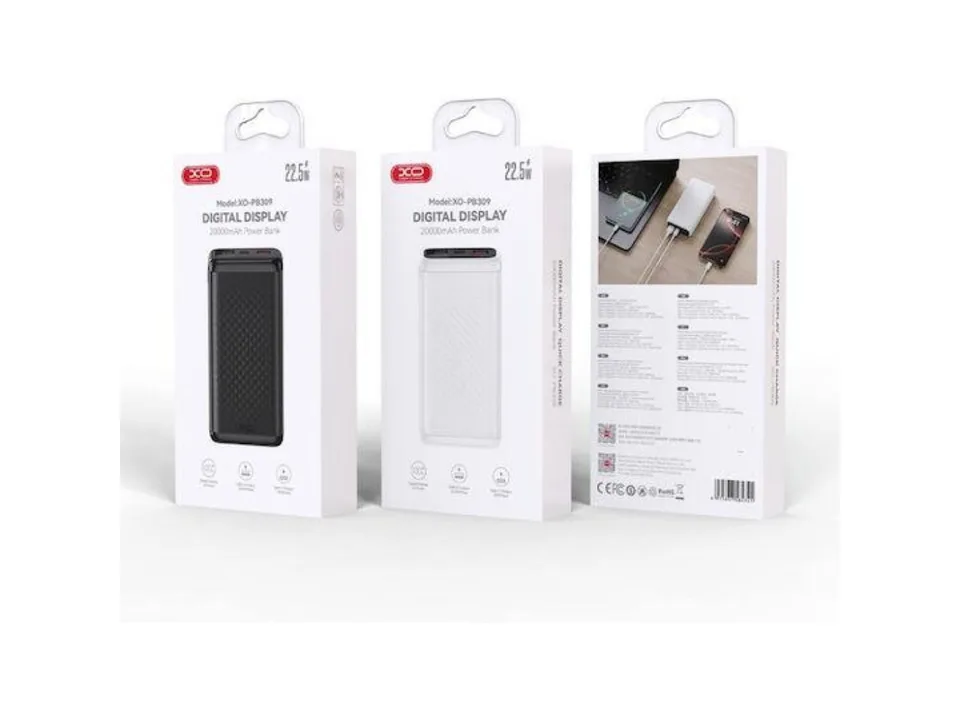
All rechargeable batteries gradually lose capacity. The rate is influenced by calendar age, charging cycles, temperature, time spent at very high or very low charge, charging power and physical treatment. There is no honest universal promise for how many years the XO PB309 will retain a particular capacity because usage and environment differ.
You can still improve the odds of a long useful life. Prefer partial top-ups when they fit your day instead of deliberately forcing a full discharge every time. Keep the pack away from sustained heat, use sound charging equipment, disconnect unstable cables, and avoid charging and heavily using a phone at the same time when that combination creates noticeable heat. Fast charging is useful when time matters; it does not have to be the goal in every overnight or desk-based situation.
Reassess the powerbank when its behavior changes. A shorter runtime over years can be normal ageing, but sudden drops, repeated interruptions, deformation or abnormal heat are reasons to stop and investigate rather than continue relying on it. When the battery reaches end of life, use an appropriate local electronics or battery collection service—never ordinary household waste where prohibited.
Avoid common powerbank mistakes
- Waiting for 1%: emergency charging while using maps, maximum brightness and mobile data can consume power almost as quickly as it arrives. Top up earlier.
- Promising charge counts from mAh alone: conversion losses and device conditions make exact universal counts misleading.
- Using any cable within reach: a worn or unsuitable cable can slow charging, disconnect repeatedly or become warm.
- Chasing 22.5W at all times: the device and cable must support the relevant charging conditions, and charging naturally changes through the battery cycle.
- Charging under bedding or inside a sealed bag: trapped heat removes the ventilation batteries need.
- Leaving it in a parked car: cabin temperatures can become extreme even when outside weather seems moderate.
- Ignoring physical change: swelling, damage, smell or unusual heat is a stop-use signal, not a minor inconvenience.
- Assuming one airline rule covers every trip: verify IATA guidance and each operating carrier before departure.
A good everyday system is deliberately boring: compatible equipment, moderate temperatures, early top-ups and a quick visual check. The value of the XO PB309’s capacity and charging capability appears when these habits make it available at the right moment.
Frequently asked questions
Should I fully drain a powerbank before recharging it?
No. Modern lithium battery packs do not need routine full discharges to avoid a “memory effect.” Partial recharges are practical, and avoiding repeated deep discharge can reduce stress. Follow the product instructions and recharge before long storage if the level has fallen very low.
Does 20,000mAh mean a guaranteed number of phone charges?
No. The rating describes the internal cell capacity under specified conditions, while usable output is reduced by voltage conversion and other losses. Phone battery size, health, activity, temperature and cable quality also affect the result, so test against your own device and routine.
Will the XO PB309 always charge at 22.5W?
No. Up to 22.5W is the powerbank’s stated maximum, while actual charging depends on the connected device, cable, compatible charging conditions, battery level and temperature. The receiving device limits what it accepts.
Can I take the XO PB309 on a plane?
Powerbanks are generally carried as spare lithium batteries in cabin baggage, subject to watt-hour and airline rules. Check the unit’s rating, current IATA guidance and every operating airline before travel; do not pack a damaged battery or assume mAh alone settles eligibility.
Make everyday charging easier
If you want substantial rated capacity and useful fast-charging headroom at an accessible price, view the XO PB309 20,000mAh, 22.5W powerbank for €25.80. Match it with a suitable cable and device, keep it cool, and make checking its level part of your leaving-home routine. For more practical accessory guidance, continue to the BANDO blog.